
Why Early Myopia Control Can Prevent Serious Eye Problems Later
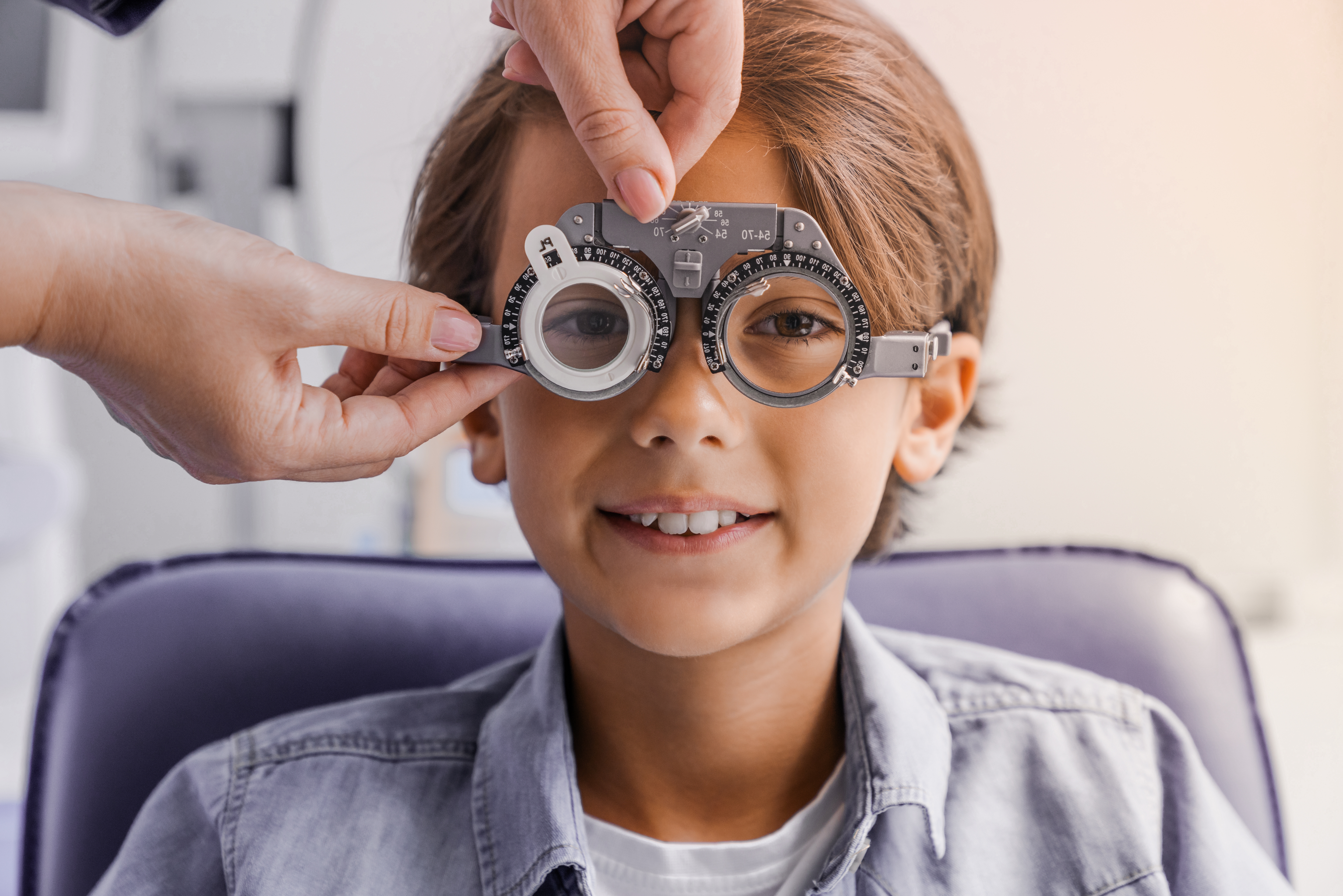
Myopia, or nearsightedness, is more than a need for stronger glasses. It happens when the eye grows too long, which can cause distance vision to become blurry and may increase the chances of more serious eye problems later in life. Myopia can begin as early as age 3, often worsens as children grow, and should be taken seriously as part of long-term eye health.
Why Early Treatment Matters
Early myopia control matters because younger children often experience faster progression. When myopia continues to worsen year after year, the eye becomes more vulnerable over time. That is why early and regular pediatric eye exams are so important. Detecting myopia early gives families a better opportunity to slow progression before it reaches higher levels. Treating myopia early can help reduce the risk of serious eye health issues later in life.
Signs Parents Should Watch For
Children do not always realize their vision is blurry, so parents may be the first to notice a problem. Common signs can include:
- Squinting to see far away
- Sitting too close to the TV or computer
- Complaining that the board at school looks blurry
- Holding books or tablets very close
- Struggling with sports or other distance-based activities
These signs do not always confirm myopia, but they do mean it is a good idea to schedule a pediatric eye exam.
Types Of Myopia Control
There are several types of myopia control that may help slow progression in children. Tulsa Eye Clinic offers MiSight 1 day lenses, which are FDA-approved for myopia control, along with Ortho-K lenses that are worn overnight to reshape the cornea for clear daytime vision. They also offer low-dose atropine eyedrops to help slow eye growth and soft multifocal contact lenses, which may also help manage worsening myopia. The right option depends on your child’s age, prescription, and lifestyle.
Daily Habits Still Play A Role
Professional treatment is important, but healthy habits also matter. Our clinic recommends regular screen breaks and more time outdoors for children. These small daily habits can support overall visual comfort and may help reduce some of the lifestyle factors associated with worsening myopia.
Why Ongoing Monitoring Is Important
Myopia control is not a one-time treatment. Children’s eyes can change quickly, especially during the school-age years, so regular follow-up visits are important. Monitoring lets the doctor track prescription changes, evaluate how well treatment is working, and make adjustments when needed. It also helps families stay ahead of progression instead of reacting after vision has already worsened.
If you have noticed signs of nearsightedness in your child, schedule a pediatric eye exam at Tulsa Eye Clinic. Visit our office in Tulsa, Oklahoma, or call (918) 818-2243 to book your appointment today.
Quick Links
Helpful Articles
article_category: products
article_category: psychiatry
article_category: faqs
article_category: cats
article_category: general
article_category: services
article_category: technology
article_category: dogs
article_category: restorative
article_category: vision therapy
article_category: contact lenses
article_category: health
article_category: conditions
article_category: eye surgery co-management
article_category: exotic
article_category: cosmetic
article_category: surgical procedures
article_category: aesthetics
article_category: preventative
article_category: ocular disease management
article_category: eyeglasses
article_category: eye health
article_category: large animal
[]
article_category: psychiatry
article_category: faqs
article_category: cats
article_category: general
article_category: services
article_category: technology
article_category: dogs
article_category: restorative
article_category: vision therapy
article_category: contact lenses
article_category: health
article_category: conditions
article_category: eye surgery co-management
article_category: exotic
article_category: cosmetic
article_category: surgical procedures
article_category: aesthetics
article_category: preventative
article_category: ocular disease management
article_category: eyeglasses
article_category: eye health
article_category: large animal
[]
Flowbite is an open-source library of interactive components built on top of Tailwind CSS including buttons, dropdowns, modals, navbars, and more.
Check out this guide to learn how to get started and start developing websites even faster with components on top of Tailwind CSS.
All Eye Care Services
Find personalized eye care excellence with our comprehensive services. From eye exams to advanced diagnostics, trust us for all your vision needs.

Keep In Touch
For non-urgent questions or to learn more about our services, contact us today!
Quick Links
Hours of Operation
- Monday 8:00am - 5:00pm
- Tuesday 8:00am - 5:00pm
- Wednesday 8:00am - 5:00pm
- Thursday 8:00am - 5:00pm
- Friday 9:00am - 12:00pm
- Saturday Closed
- Sunday Closed
- Monday
- Tuesday
- Wednesday
- Thursday
- Friday
- Saturday
- Sunday
- Monday
- Tuesday
- Wednesday
- Thursday
- Friday
- Saturday
- Sunday
© 2026 Tulsa Eye Clinic. All rights Reserved - Accessibility Statement - Privacy Policy - Sitemap
Managed and Designed by 