
LASEK Eye Surgery
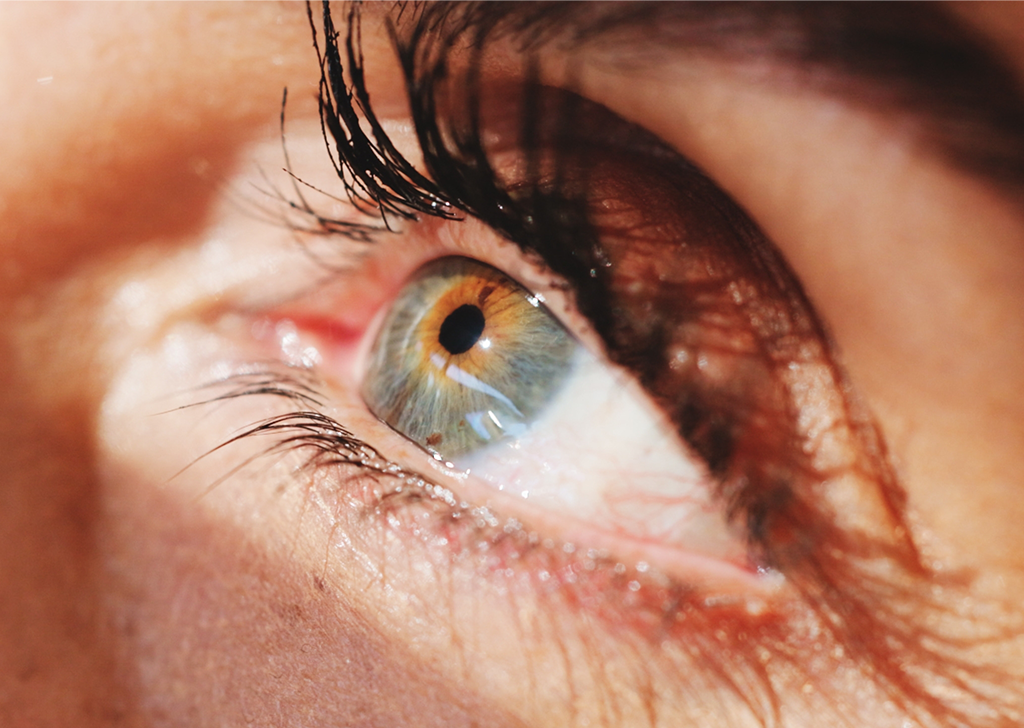
What Is LASEK?
LASEK (Laser-Assisted Sub-Epithelial Keratectomy) is a type of laser eye surgery used to correct vision problems such as nearsightedness (myopia), farsightedness (hyperopia), and astigmatism.
It reshapes the cornea—the clear front surface of the eye—so that light focuses properly on the retina, improving vision.
LASEK is similar to LASIK and PRK, but it is often recommended for people who have thin corneas or dry eyes, where LASIK may not be ideal.
How to Prepare for LASEK Eye Surgery
Preparing properly helps ensure a smooth procedure and recovery. Common preparation steps include:
Eye examination: Your eye doctor will perform detailed tests to check your vision, cornea thickness, and overall eye health.
Stop wearing contact lenses: You may need to stop wearing soft lenses a few days before surgery and hard lenses several weeks before, as they can change the shape of your cornea.
Avoid eye makeup and creams: On the day of surgery, keep your face clean and free of makeup, lotions, or perfumes.
Arrange transportation: You won’t be able to drive immediately after the procedure.
Follow your doctor’s instructions: This may include using prescribed eye drops before surgery.
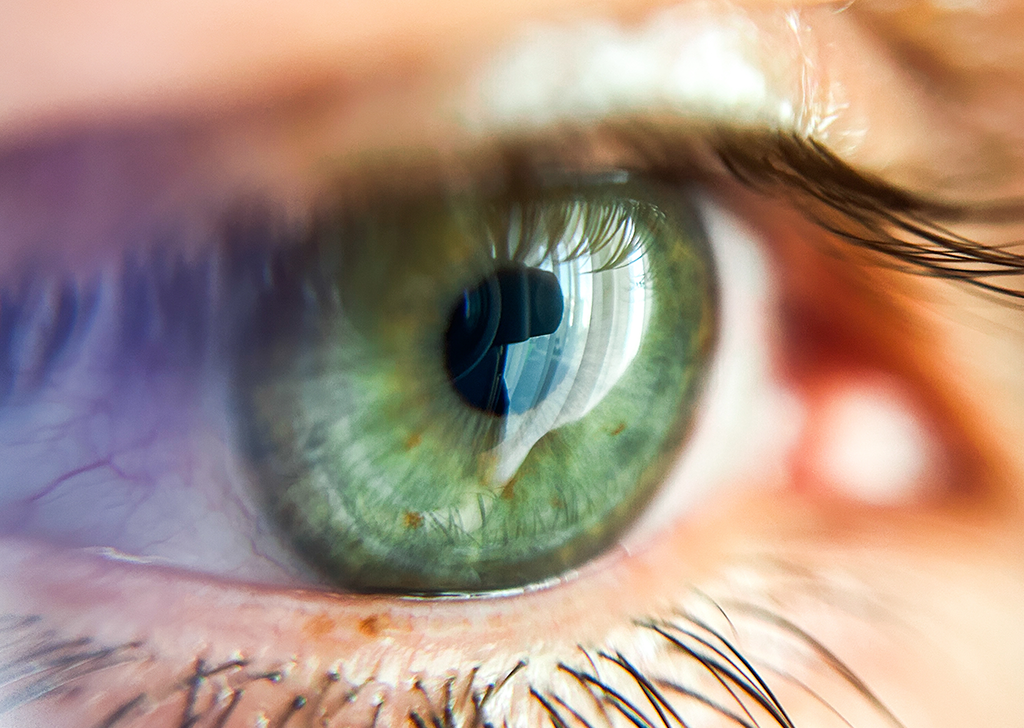
What Happens During LASEK Eye Surgery?
LASEK is usually quick and done on an outpatient basis.
Numbing eye drops are applied so you won’t feel pain.
A thin layer of the cornea’s outer surface (the epithelium) is gently loosened and moved aside.
A laser reshapes the cornea to correct your vision.
The epithelial layer is placed back into position.
A soft contact lens is placed on the eye to protect it during healing.
The procedure typically takes about 10–15 minutes per eye.
What to Expect After LASEK Eye Surgery
Recovery from LASEK takes longer than LASIK, but the results are long-lasting.
First few days: You may experience mild discomfort, light sensitivity, or blurry vision.
Healing period: The protective contact lens is usually removed after several days once the surface has healed.
Vision improvement: Vision improves gradually over days to weeks.
Follow-up visits: Your doctor will monitor healing and vision progress.
Activity limits: You may need to avoid swimming, rubbing your eyes, and strenuous activities for a short time.
Most people can return to school or light activities within a few days.
What Are the Advantages of LASEK Eye Surgery?
LASEK offers several benefits, including:
Suitable for thin corneas: A good option for patients who cannot have LASIK.
Lower risk of flap complications: Since no deep corneal flap is created.
Effective vision correction: Long-term improvement in vision.
Less corneal weakening: Compared to LASIK.
Permanent results: For most patients, vision correction is long-lasting.
Quick Links
Helpful Articles
article_category: products
article_category: psychiatry
article_category: faqs
article_category: cats
article_category: general
article_category: services
article_category: technology
article_category: dogs
article_category: restorative
article_category: vision therapy
article_category: contact lenses
article_category: health
article_category: conditions
article_category: eye surgery co-management
article_category: exotic
article_category: cosmetic
article_category: surgical procedures
article_category: aesthetics
article_category: preventative
article_category: ocular disease management
article_category: eyeglasses
article_category: eye health
article_category: large animal
[]
article_category: psychiatry
article_category: faqs
article_category: cats
article_category: general
article_category: services
article_category: technology
article_category: dogs
article_category: restorative
article_category: vision therapy
article_category: contact lenses
article_category: health
article_category: conditions
article_category: eye surgery co-management
article_category: exotic
article_category: cosmetic
article_category: surgical procedures
article_category: aesthetics
article_category: preventative
article_category: ocular disease management
article_category: eyeglasses
article_category: eye health
article_category: large animal
[]
Flowbite is an open-source library of interactive components built on top of Tailwind CSS including buttons, dropdowns, modals, navbars, and more.
Check out this guide to learn how to get started and start developing websites even faster with components on top of Tailwind CSS.

All Eye Care Services
Find personalized eye care excellence with our comprehensive services. From eye exams to advanced diagnostics, trust us for all your vision needs.

Keep In Touch
For non-urgent questions or to learn more about our services, contact us today!
Quick Links
Hours of Operation
- Monday 8:00am - 5:00pm
- Tuesday 8:00am - 5:00pm
- Wednesday 8:00am - 5:00pm
- Thursday 8:00am - 5:00pm
- Friday 9:00am - 12:00pm
- Saturday Closed
- Sunday Closed
- Monday
- Tuesday
- Wednesday
- Thursday
- Friday
- Saturday
- Sunday
- Monday
- Tuesday
- Wednesday
- Thursday
- Friday
- Saturday
- Sunday
© 2026 Tulsa Eye Clinic. All rights Reserved - Accessibility Statement - Privacy Policy - Sitemap
Managed and Designed by 